


Leading Through the Messy Middle: Where Leadership Habits Decide the Outcome
Updated: Sep 23
In the last Blog, The Messy Middle of Transformation: Where Change Leadership is Truly Tested, we defined the messy middle.
By the time a transformation reaches the messy middle, the kickoff energy has usually done its job:
The team understands the vision.
The plan is moving.
The workstreams are active.
The steering committee has seen the roadmap.
On paper, the transformation may look like it is progressing, but the messy middle is where leadership has to shift.
Leading Through the Messy Middle
The messy middle does not need another launch message. It needs daily leadership habits that keep trust intact, relationships strong, and people connected to the outcome when the work gets harder.
After more than 30 years leading transformation projects across banking, software development, and service delivery, I’ve learned that the middle is rarely rescued by one big decision. It’s shaped by the small, repeated behaviours leaders practice when pressure rises.
How meetings start.
How concerns are received.
How focus is protected.
How often the “why” is repeated.
How quickly leaders act when the team tells them something is not working.
That is where trust is either strengthened or weakened.
And in the messy middle, trust decides how much truth leaders actually get.
The Middle Requires Different Leadership Habits
In the middle, leaders cannot rely on visibility from kickoff or urgency from go-live. They need a different rhythm, one that keeps them close enough to the team to hear what is changing before it becomes a formal risk.
That means staying connected to the project plan and the people carrying it. One without the other is not enough.
A dashboard can tell you a milestone is late. It cannot tell you whether the team still trusts the direction, whether their belief in the outcome has held, or whether the emotional toll of sustained change is starting to break people down.
Start Meetings With People, Not Tasks
Most project meetings open with status - what’s complete, what’s late, and what needs a decision. Those questions have their place. Governance and accountability matter in long-cycle transformation.

But if every conversation begins with tasks, leaders may miss the signals that precede a real problem. And those signals appear across all three levels at once, which leaders need to pay attention to.
What we are building and why?
Is the heart still in it, or have people stopped believing we will deliver what was promised?
What is the emotional load looking like right now?
Where is the work feeling heavy?
What concern has not been raised yet?
What is your gut telling you that has not made it into the risk log?
These are not soft questions. They are diagnostic.
One of the leaders I worked with early in my career had a philosophy that shaped how I approach every project since: "If you are going to disappoint me, disappoint me early." It sounds direct, but what it actually communicated was permission to surface the thing in our head that had become unclear, permission to admit when the heart had drifted away from the work, and permission to name the emotional weight that nobody was supposed to be carrying alone.
That kind of culture does not happen by accident. It gets built by a leader who responds to early truth constructively every single time it’s offered.
The question I now ask at the start of most project check-ins is: "Did anything come up this week that makes your gut go 'ugh' that you have not brought forward yet?" That one question surfaces more real information than a full status review.
A Lesson From The Field
I was brought into a credit union project that had been running for four years with no end date in sight. There were three banking systems, and a team that had been grinding through harmonization work long enough to lose sight of the finish.
The energy was not dramatic resistance. It was something quieter. People were still showing up and delivering technically, but something deeper had disconnected.
At the head level, clarity had eroded. The original case for bringing the systems together was still valid, but it had been buried under years of technical decisions, scope changes, and unresolved trade-offs.
At the heart level, belief had faded. People were still showing up, but the work had become routine. They were executing tasks, not driving toward an outcome.
At the emotional level, exhaustion had gone unnamed. Four years of sustained pressure had created a weight that no dashboard was capturing. I audited the workload and sat with the CEO to present two options: Keep on the same path with an unknown timeline or change the approach
The conversation was not really about timelines. It was about whether the organization trusted that someone would finally make the hard decisions that had been avoided for four years. We chose to change the approach. We finished in two years. The reset that made it possible was not the new plan. It was the decision to be honest about what was not working, and the willingness to act on that honesty.
That experience is the clearest example I have of what "disappoint me early" looks like in practice. The team had the information. They had the concerns. But they’d stopped sharing them because no one had created the conditions to receive them.
Protect Focus Before It Erodes
The messy middle is often when strategic focus breaks down. It rarely happens with a single dramatic decision. It happens gradually.
The transformation was a priority at kickoff. Resources were assigned. Leaders were aligned. Then business-as-usual started pulling people back. A department needed help. Another initiative launched. A subject matter expert got reassigned to urgent operational work.
I watched this dynamic play out on a large program recently. The team was skilled. The work was well-designed. But the organization kept adding concurrent demands to the same people already carrying the transformation.
At first, it was just the head that struggled. People were juggling priorities. Clarity about what came first started to fray. Over time, the heart was affected. When you are working seven days a week to keep up with competing demands, your belief that the transformation will succeed starts to waver. By month two, the emotional weight had become unsustainable. One leader described it exactly: "I feel like we are under siege all the time, trying to keep up."
That phrase stayed with me because it captures what happens when focus is not protected. The team is not failing. They are absorbing more than any team should be asked to absorb. When the organization wants the transformation to succeed, it has to create the conditions for it to succeed. That means making deliberate decisions about what gets paused, what gets sequenced differently, and what gets escalated when the workload stops matching the timeline.
Keep the Head, Heart and Emotions Aligned
In the middle, a leader's job is to keep all three layers moving in the same direction.
For the head, refresh clarity. Remind people what’s being built, why it matters, what decisions have been made, and how their work contributes.
For the heart, reconnect value. Show what will be better because of the change. Connect the work back to customers, members, employees, or the future of the organization.
For the emotions, acknowledge the load. Say what is true: this work is hard, what people are carrying is real, and they should not have to carry it alone.
This is not about making the hard parts disappear. It’s about making sure people do not have to move through them in silence.
This is where trust becomes more than a leadership value. It becomes a delivery condition. When trust is weak, people hold back concerns, protect themselves, and wait to see what happens. When trust is strong, they surface risks early, challenge assumptions, and help the team adjust before small issues become major barriers.
Pivotal Growth has written more about the symptoms of trust issues and the leadership behaviours that help rebuild trust here: The Symptoms of a Trust Issue
Celebrate Progress Before Go-Live
On a 12-, 18-, or 24-month program, waiting until the end to recognize progress is too long. People need signs along the way that the work matters, their effort is seen, and the team is still moving together. I have used team lunches, offsite events, and sponsor messages at tough milestones. The format matters far less than the timing. Recognition in the middle of a long program does something a go-live party cannot, it tells the team we see you now, while the work is still hard.
The Messy Middle Is Where Leadership Becomes Real
Not because leaders have every answer, but because they create the conditions for the team to keep telling the truth, keep trusting the direction, and keep moving together when the work gets hard. To recap:
Start with people before tasks.
Listen for what has not made it into the risk log.
Protect focus before it erodes.
Keep the head, heart, and emotions aligned.
Celebrate progress before go-live.
This is how transformation moves from planned to adopted, and how trust becomes a delivery advantage.
Pivotal Growth works with leaders to assess and build those conditions before and during transformation. Our Pathway to Transformation diagnostics help leadership teams identify where trust, readiness, and team alignment stand across all three layers, and what to address before those gaps affect the outcome.
Reach out to explore how we can support your team through the stretch that matters most.
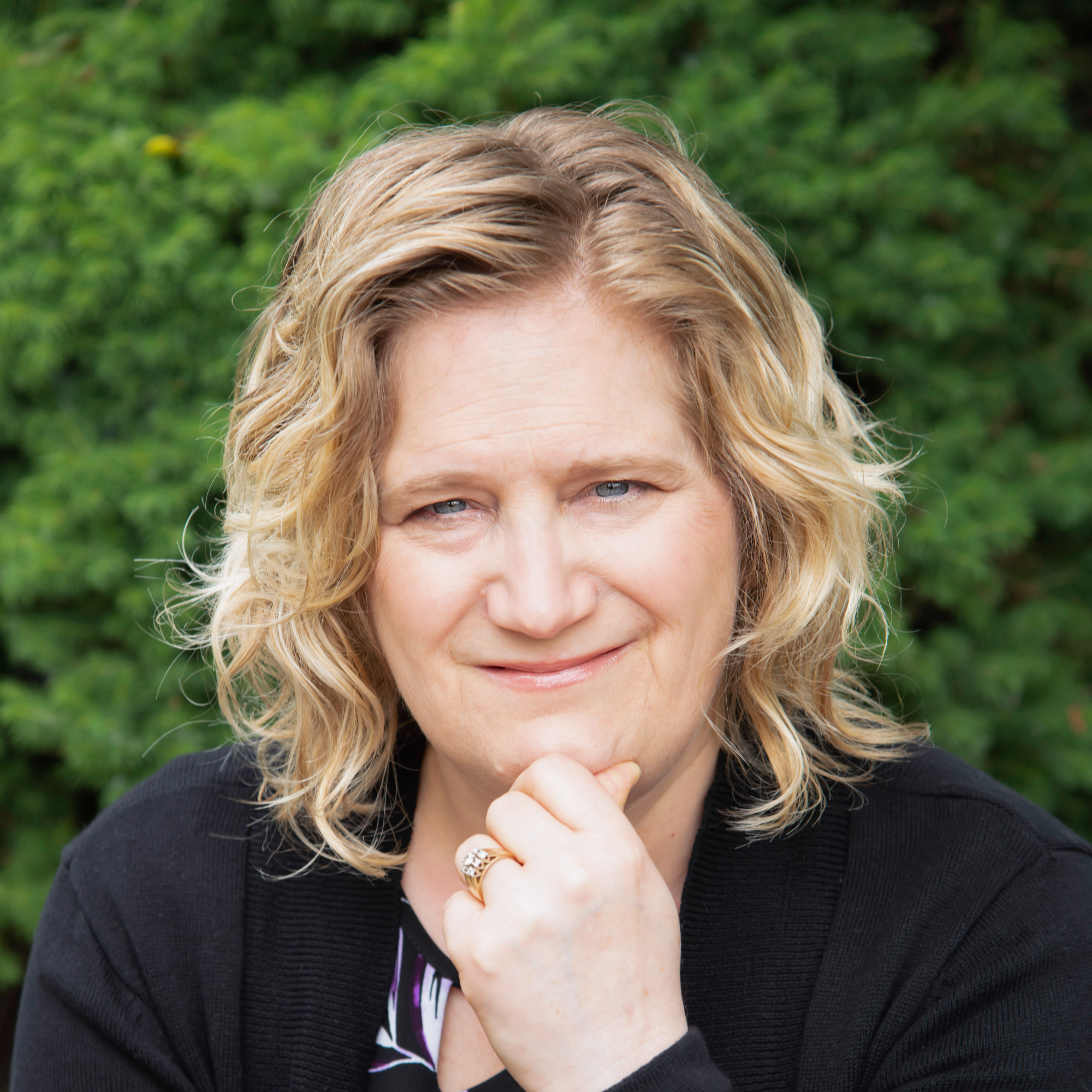
About the Author Sheneen Jit Enterprise Delivery & Change Execution Partner

Sheneen Jit has led more than 30 successful core banking system implementations, a level of transformation success that is uncommon in an industry where most large programs miss their targets. She combines disciplined execution with a relational leadership style that strengthens adoption, reduces resistance, and stabilizes teams through complex change.Her approach creates the conditions for leaders and project teams to stay aligned, engaged, and accountable from early readiness through post-implementation. She proves that large-scale transformation succeeds when operational rigor and human dynamics are treated as equal drivers of outcome. Sheneen holds a Bachelor of Technology in Technology Management, has a Certificate in Change Management, and is Lean Greenbelt certified.


Comments