


Six Women. Six Industries. One Truth About Modern Leadership
Updated: Mar 9
Leadership isn't what you become. It's what you choose every single day.
That's what six women leaders talk about, independently, when asked the same questions about navigating leadership today.
They didn't describe climbing a ladder or following a plan. They described something messier and more honest: daily choices about energy, about showing up as themselves, about who they make room for, about moving forward despite doubt.

Pivotal Growth's Benjamin Harper interviewed six women across different industries and career stages for International Women's Day. The same questions, six different conversations. What came back wasn't six different answers. It was six versions of the same truth. What emerged wasn’t just insight into women’s leadership. It was a pattern about modern leadership itself. Across industries and stages, these leaders described capabilities that today’s environment now demands. Here's what they said.
Energy Is Architecture, Not Wellness
Every interview surfaced the same observation. The modern work environment operates differently than the leadership models taught in business schools.
Jennie Ridler, communications manager and 25 years working alongside leaders, was direct: "The modern work environment is a 24/7 treadmill."
Lisa Haydon, coach consultant and founder, described the cost of unfocused attention: "If you're not clear on what you should be focused on, you're diluting yourself."
The shift is real. Long-term strategic cycles have compressed into rapid feedback loops. Adaptation isn't optional. It's constant. The temptation is to respond to everything equally: notifications, emails, requests, crises. Leaders who burn out do this. Leaders who sustain do something different.
Sheneen Jit, change execution leader and seasoned technology leader captured the consequence: "Your energy is not just about you; it's about igniting the energy of those around you."
They manage energy as architecture. They decide what gets their best thinking. They protect that space. They model that discipline for teams. They adapt energy allocation based on what the moment requires, not what the calendar demands.
Your Identity Is Your Leadership Advantage
One interview introduced a concept rarely heard in corporate contexts: Sankofa. The Ghanaian principle of pulling authentic tradition into the future.
Social impact leader, Sylvia Parris, framed it this way, quoting Maya Angelou:
"I come as one, I stand as many."
When you show up shaped by your cultural tradition, your heritage, your community, you bring collective strength. Sylvia described becoming the inaugural CEO of a Black-led organization. The shift from Eurocentric leadership to Afrocentric perspectives changed everything: how decisions got made, who was valued, what success looked like. It wasn't a nice addition. It was foundational.
Jennie made the business case plainly: "Leadership teams should reflect their constituents. You can't support or connect with an audience you can't relate to."
The structural reality is stark. According to Catalyst, fewer than 8% of Fortune 500 companies board seats are held by women of color. That's not a pipeline problem. That's a choice. Yet the leaders in our conversations show what happens when you don't minimize your identity to fit existing molds. You build with it.
Adaptability Is Not Flexibility. It's Precision.
Andi Fabien, community-building leader, moved from founding and leading Dalhousie Black Business Student Association (DBBSA) to leading faculty society Dalhousie Commerce Society (DCS). She describes the difference between what traditional leaders call "career transitions" and what it actually felt like: learning to lead in new contexts without losing yourself.
She didn't abandon her values. She adapted how she expressed them. She introduced innovation within structures that already existed, rather than against it. She launched new flagship events that resonate like the Movember 5k, engaging a diverse group of students and community members to extend the impact of their annual Movember campaign. That's not compromise. That's leadership.
The emerging leaders diverged from their more established counterparts on one point: they saw adaptation as expansion, not loss.
Imposter Syndrome Doesn't Disqualify You
Lisa made bold, well-reasoned business decisions with clear cases for each. Yet internally: "While others may have seen it as a logical business build, there was that inner narrative. Am I on track?" What struck wasn't that she experienced doubt. It was that she moved forward anyway.
Her framework wasn't to eliminate the doubt. It was to recognize that doubt and capability coexist. According to the McKinsey and Lean In 2025 Women in the Workplace report, women are held to higher standards in leadership roles and only 93 women were promoted to manager for every 100 men, with that figure dropping to 74 for women of color.
The question that emerged: not whether you feel ready, but whether you're willing to lead while feeling unready.
Relational Leadership Builds Trust Across Difference
Sheneen distinguished between transactional and relational approaches: "Being relational in your engagements allows for better work and more enjoyment."
Jennie described the approach to difficult conversations: "Approach leadership with 'yes, and', making space for different perspectives and ensuring that we aren't rushing to agree or disagree." You're building on what's there, not dismissing it. This requires more courage than confrontation. It leaves room for others to change their minds, and for you to be wrong.
Women Deliberately Make Room for Others
According to the McKinsey and Lean In 2025 Women in the Workplace report, employees with sponsors are promoted at nearly twice the rate of those without, yet women remain less likely than men to have sponsors in senior leadership who can open the most doors.
Dr. Georgette Zinaty, leadership and innovation leader, put it plainly: "Women are earning more degrees than ever, yet only 11% of Fortune 500 companies are led by women. Talent has never been the issue rather, access has. This International Women’s Day, let’s move beyond mentorship to sponsorship. When women are championed, doors don’t just open, economies expand, innovation accelerates, and leadership transforms. The future will not be given to women. It will be built by us, and with those bold enough to stand beside us”
What This Adds Up To
These six women, Dr. Georgette Zinaty, Sylvia Parris, Andi Fabien, Jennie Ridler, Sheneen Jit and Lisa Haydon, from student leaders to entrepreneurs to executives, aren't waiting for perfect conditions. They're leading inside the complexity, managing energy, holding identity, building trust, adapting, and making room for others.
Lisa captured it well: "Modern leadership is where women will thrive, anchored in results achieved through relationships." Not relationships instead of results. Relationships as the path to results. Sheneen summarized the shift: "Women in leadership bring a nurturing aspect that is crucial for team engagement."
The gap between women in leadership and men isn't capability. It's access and recognition. What these leaders model is how to lead in a world that demands precision and relationships, authenticity and results, courage and flexibility. That's not a women's leadership story. That's how leadership actually works
The question modern leaders must ask is simple:
How are you directing your energy, adapting your leadership, and creating space for others to grow?
About Interviewer Benjamin Harper

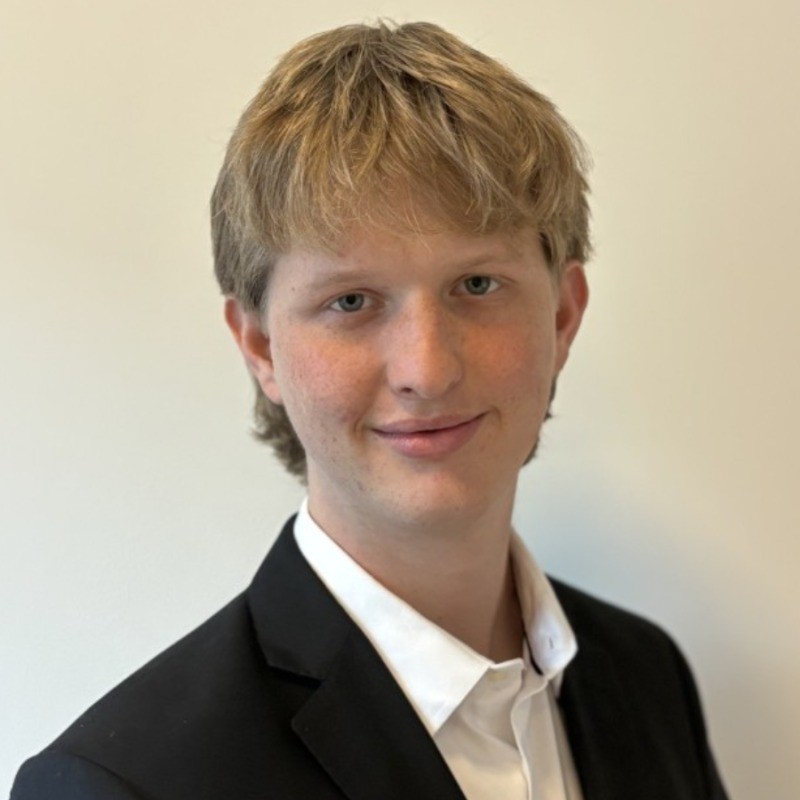
Benjamin Harper is a second-year Bachelor of Commerce student at Dalhousie University, majoring in finance with a minor in economics. Originally from Jamaica and raised in Toronto, Benjamin brings a distinct perspective on diversity, leadership, and what the next generation of leaders needs. As a Modern Leader Associate at Pivotal Growth Inc., he works at the intersection of data analytics and leadership development, producing research, content, and the conversations behind this International Women's Day series. He believes leadership is built in the day-to-day, not the title.


Comments